Bee 747 Apiaries · Fisherville, Kentucky

Honey from a swarm that landed at the North Hangar

A small apiary in Fisherville, on the east edge of Louisville, worked by hand and watched by sensors. Raw, unfiltered honey for the household, and a live readout from the hives, ten minutes at a time.

Bee 747 Honey label: a honeycomb-liveried 747 in a hangar, raw and unfiltered natural honey, caught swarm, North Hangar, Louisville KY

The Apiary

Fisherville, east Jefferson County
Four beehives in snow beside a small blue shed, with bare trees behind
January. Four colonies clustered and quiet beside the blue shed.

Four colonies stand in a field that runs to goldenrod and ironweed by late summer. Each hive sits on a load cell, carries a temperature and humidity sensor inside the box, and wears a small solar panel on the lid. The bees don't notice. The sensors report anyway, every ten minutes, to a receiver at the house.

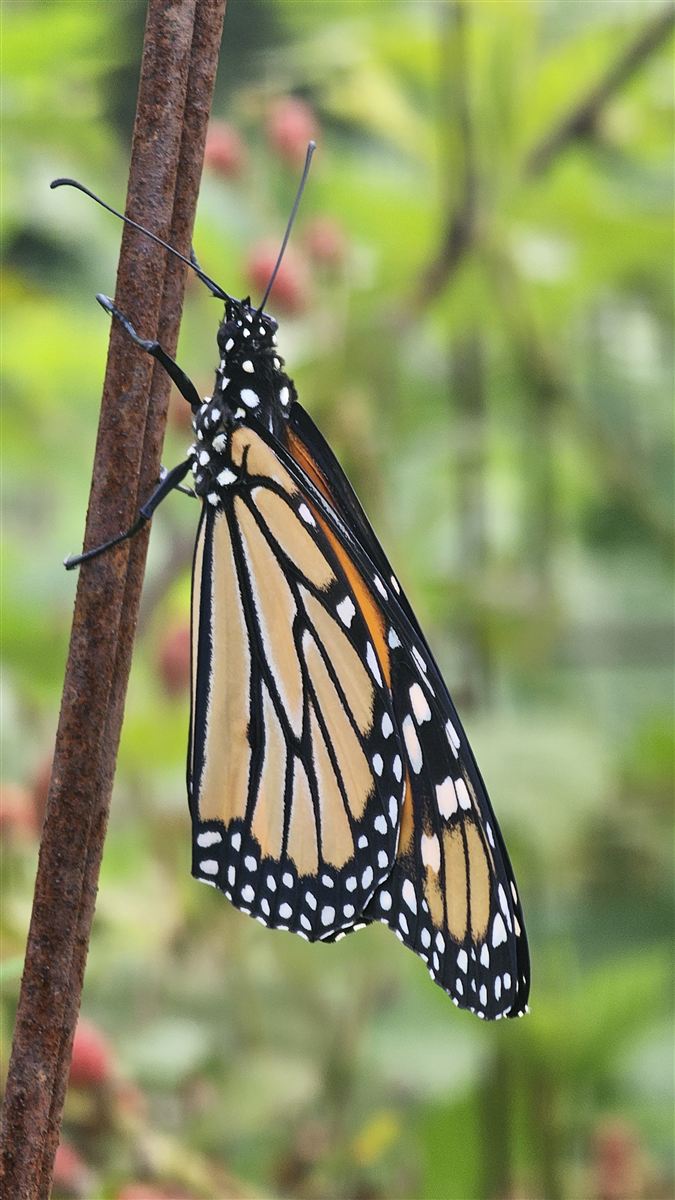
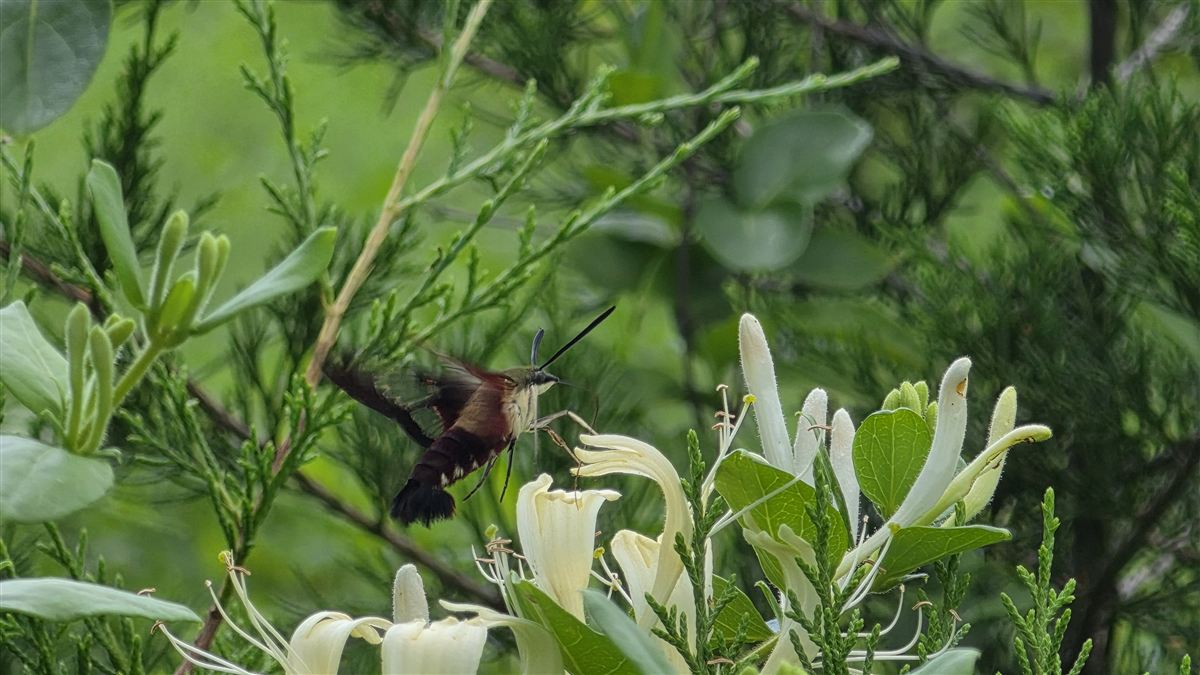
The rest of the place belongs to whatever shows up: deer at the edge of the yard, monarchs on the milkweed, a hummingbird moth in the honeysuckle, and the occasional swarm looking for a new home.

Late-summer meadow of goldenrod and purple ironweed with the blue shed in the distance
Late August. The field the bees fly over, about to turn gold.

What the bees are working

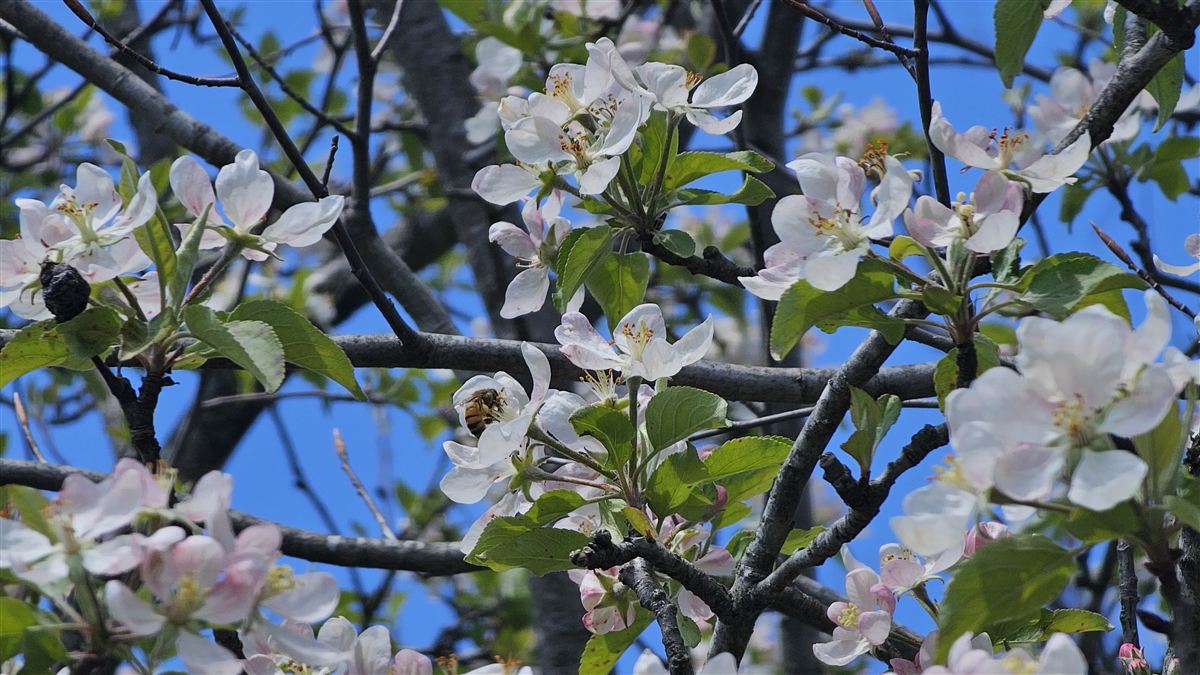
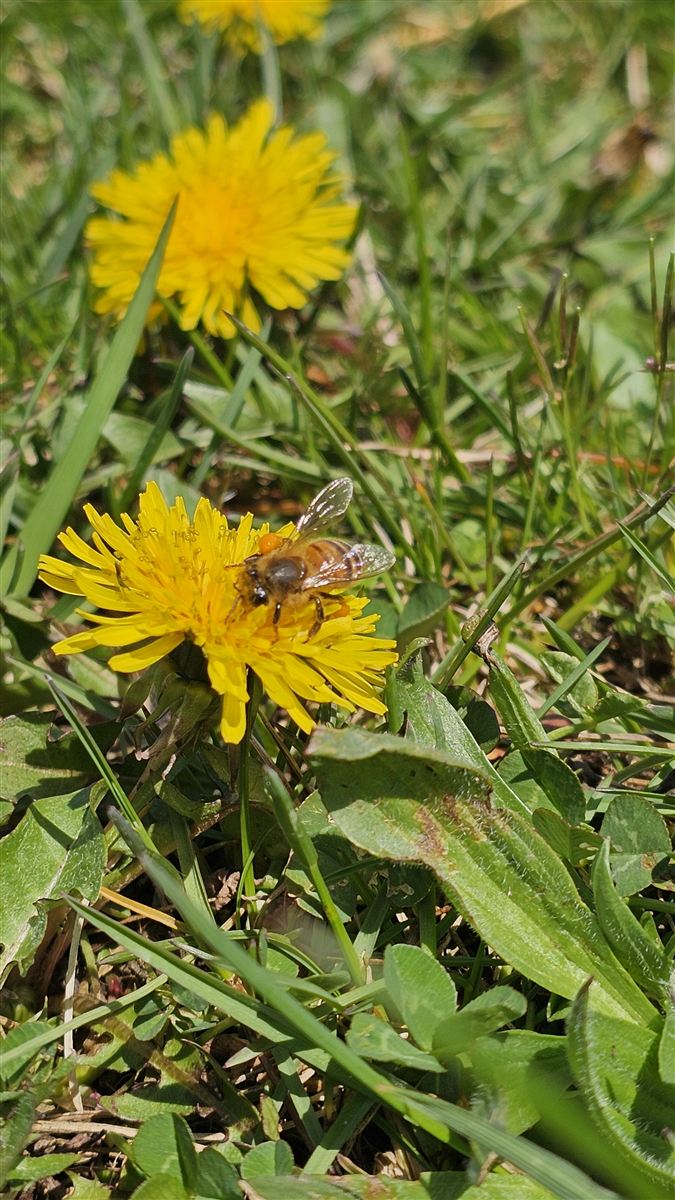
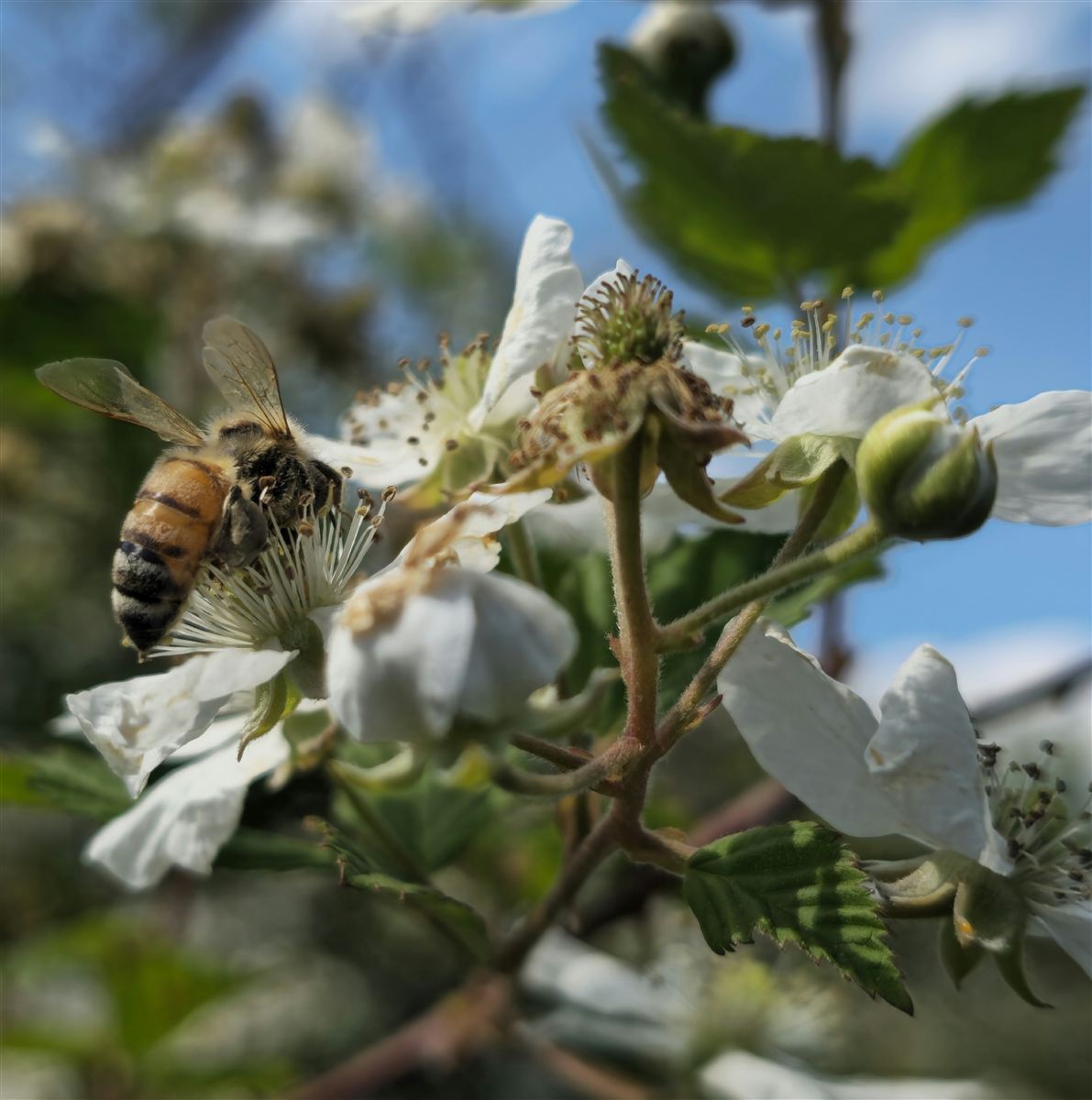
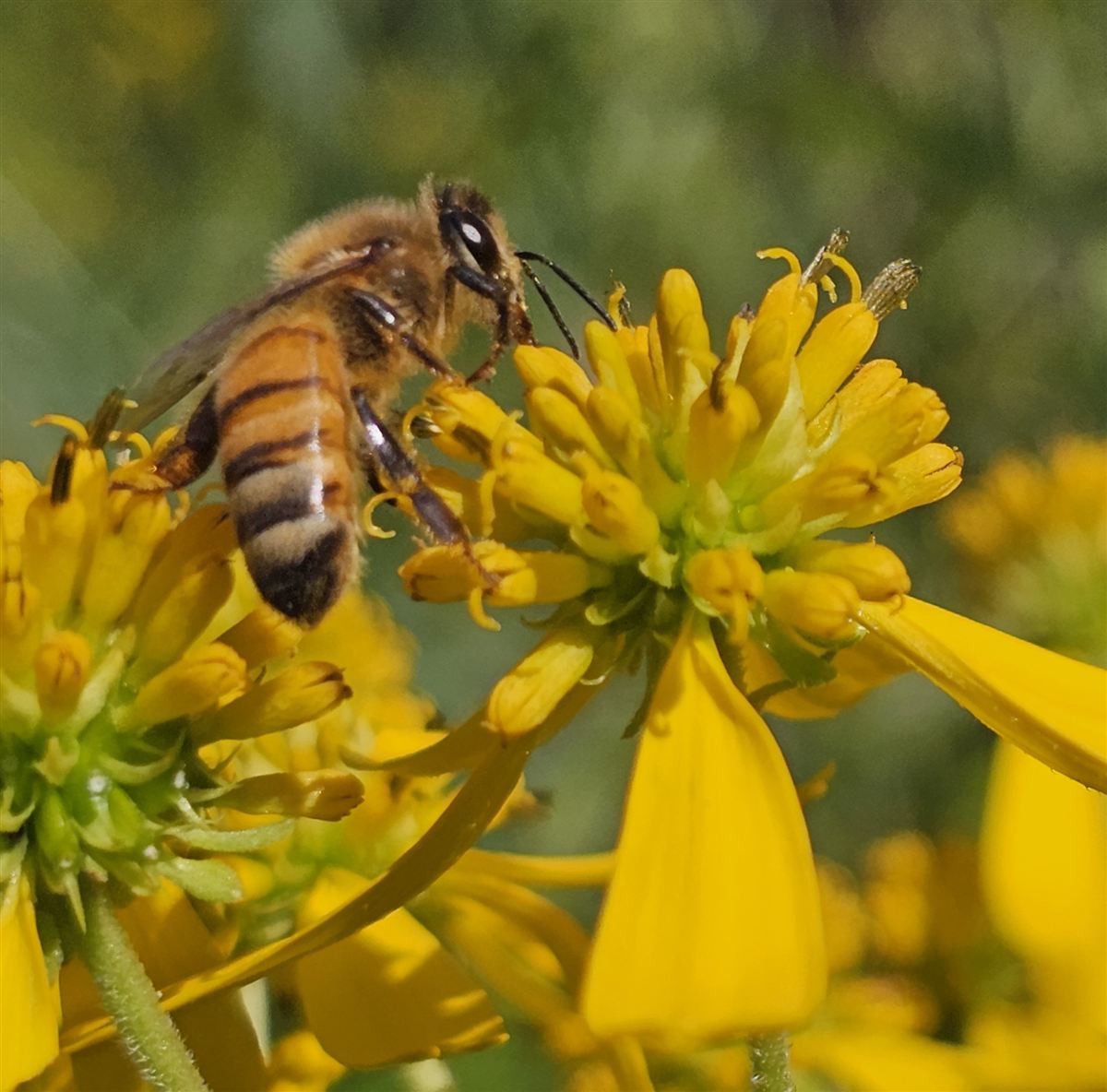
The honey tastes like the calendar. These are the blooms the bees were on when each photo was taken, in the order the season delivers them.

Apple blossoms against a blue sky
AprilApple blossom
Honey bee on a dandelion
AprilDandelion
Honey bee in a blackberry blossom
MayBlackberry
Honey bee on a yellow wingstem flower
AugustWingstem
Sunflower head with a bee at the edge
AugustSunflower
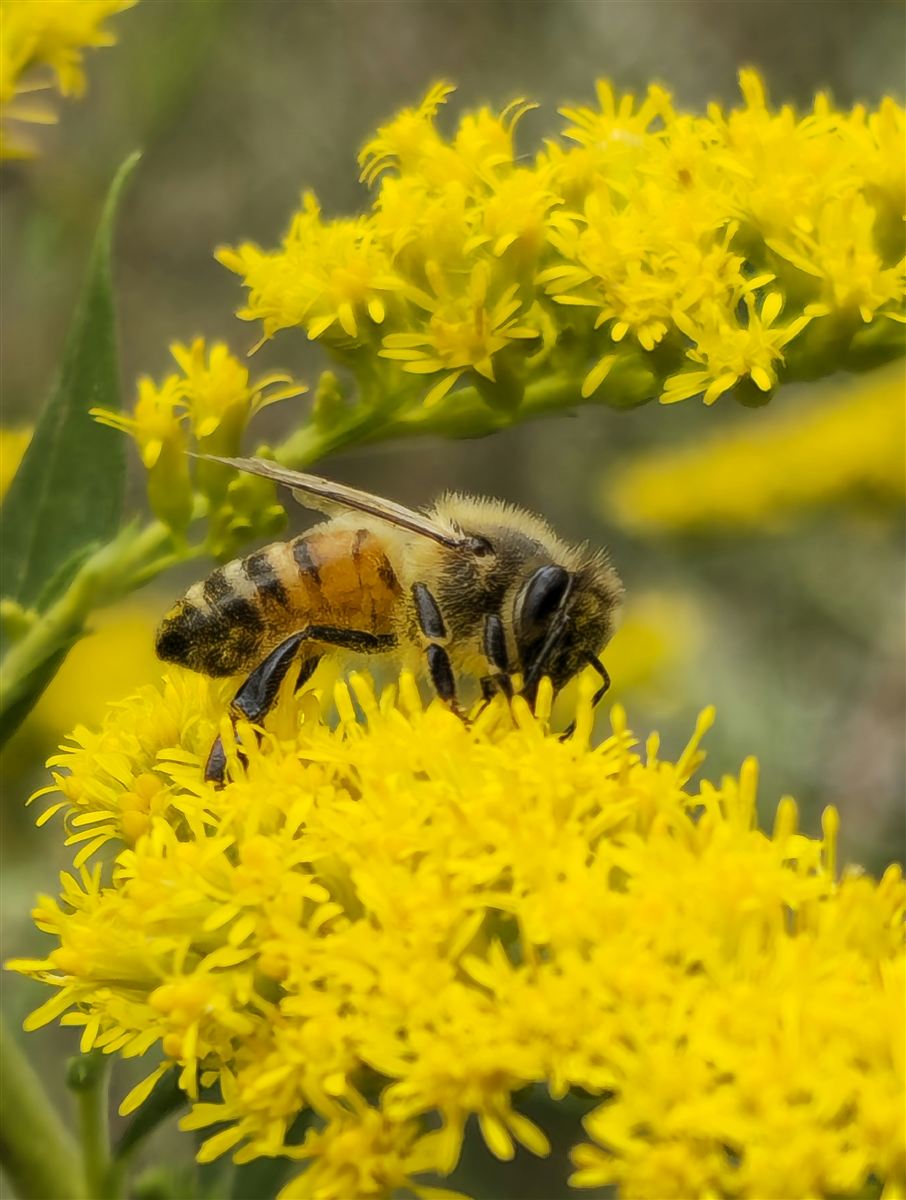
Honey bee deep in goldenrod
SeptemberGoldenrod
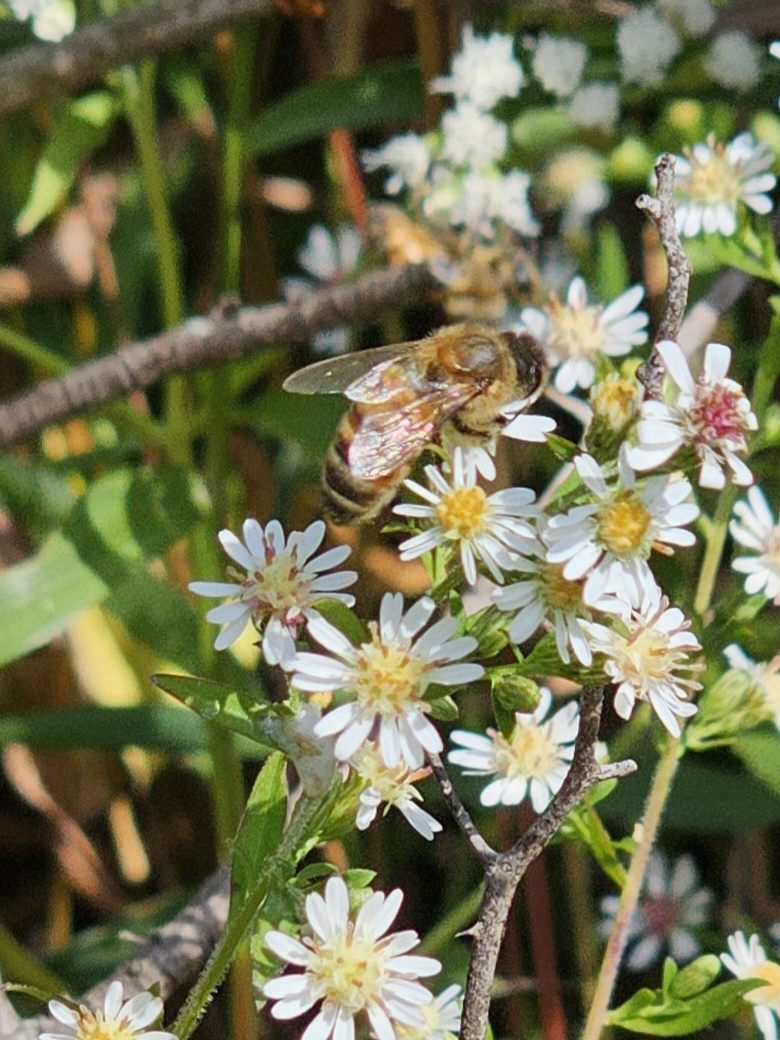
Honey bee working small white asters whose centers are turning pink
SeptemberCalico aster

Bee 747 Honey

Raw · Unfiltered · Natural
Bee 747 Honey jar label

The name comes from the swarm that started it. It was caught at the North Hangar in Louisville, boxed, and brought home to the apiary, where it has been paying rent in honey ever since. The 747 on the label is the same story told in honeycomb livery.

Nothing is heated and nothing is filtered finer than a coarse strain to catch the wax. What ends up in the jar is whatever the field was blooming that month, pollen and all, so no two harvests taste quite the same.

  • Net weight1 lb (454 g)
  • ProcessRaw & unfiltered
  • OriginCaught swarm, North Hangar
  • ProducerBee 747 Apiaries

The honey isn't for sale yet. Questions about the ladies, the hives, or the sensors are welcome at hello@bee747.com.

Live from the hives

Sample readings

How it works

Solar · ESP-NOW · Raspberry Pi

Hive node

One per hive. Sleeps almost all the time, wakes every ten minutes, reads the sensors, and sends a 25-byte packet by radio.

  • ESP32-S3
  • SHT45 temp / humidity
  • HX711 + load cell
  • Solar-charged battery

Gatekeeper

An ESP32 at the house. Receives the packets, checks that each one is the size and version it expects, and hands them over USB serial.

  • ESP-NOW, channel 1
  • Schema-checked packets
  • Two-way bridge

Raspberry Pi

The brain. Logs every reading to CSV, keeps the clock, converts units, and decides what the screens should show.

  • Raspberry Pi 5
  • Python logger
  • Cloud uploader

Screens

A 7-inch display on the mantle gets the data back by radio. A phone app and this page get it from the cloud.

  • MaTouch 7 mantle display
  • Amber & Wax app
  • This page

A fifth node, GardenWX, sits in the best radio spot in the field and reports outdoor temperature, humidity, and barometric pressure, so a weight change can be checked against the weather before it gets blamed on the bees.

Around the farm

Everything else that lives here